View of the entrance to the National Institute of Biomedical Research in Goma. Preventive measures have been put in place before entering this facility where samples from people suspected of having Ebola are tested.
Ebola

DRC Ebola Outbreaks

On 15 May 2026, an outbreak of Ebola disease, caused by the Bundibugyo virus, was declared by Democratic Republic of Congo (DRC) health authorities. It has become a public health emergency of international concern.

This outbreak was identified following alerts of unusual deaths in early May in an area northwest of Bunia, the capital of Ituri province in DRC. The outbreak has spread fast, in an area of extreme insecurity. Cases have been reported across Ituri province and into North Kivu and South Kivu provinces. Eight cases have also been confirmed in neighbouring Uganda.

MSF has extensive experience in responding to Ebola outbreaks and our teams are quickly scaling up our response. However, the Bundibugyo virus poses particular challenges, given there is a short supply of testing kits for diagnosis, and this virus does not benefit from approved treatments nor vaccines.

Disclaimer: MSF is using Mchanga to raise funds for Ebola outbreak response

DONATE NOW

Your donation helps us provide life-saving medical care to people affected by Ebola.


Disclaimer: MSF is using Mchanga to raise funds for Ebola outbreak response
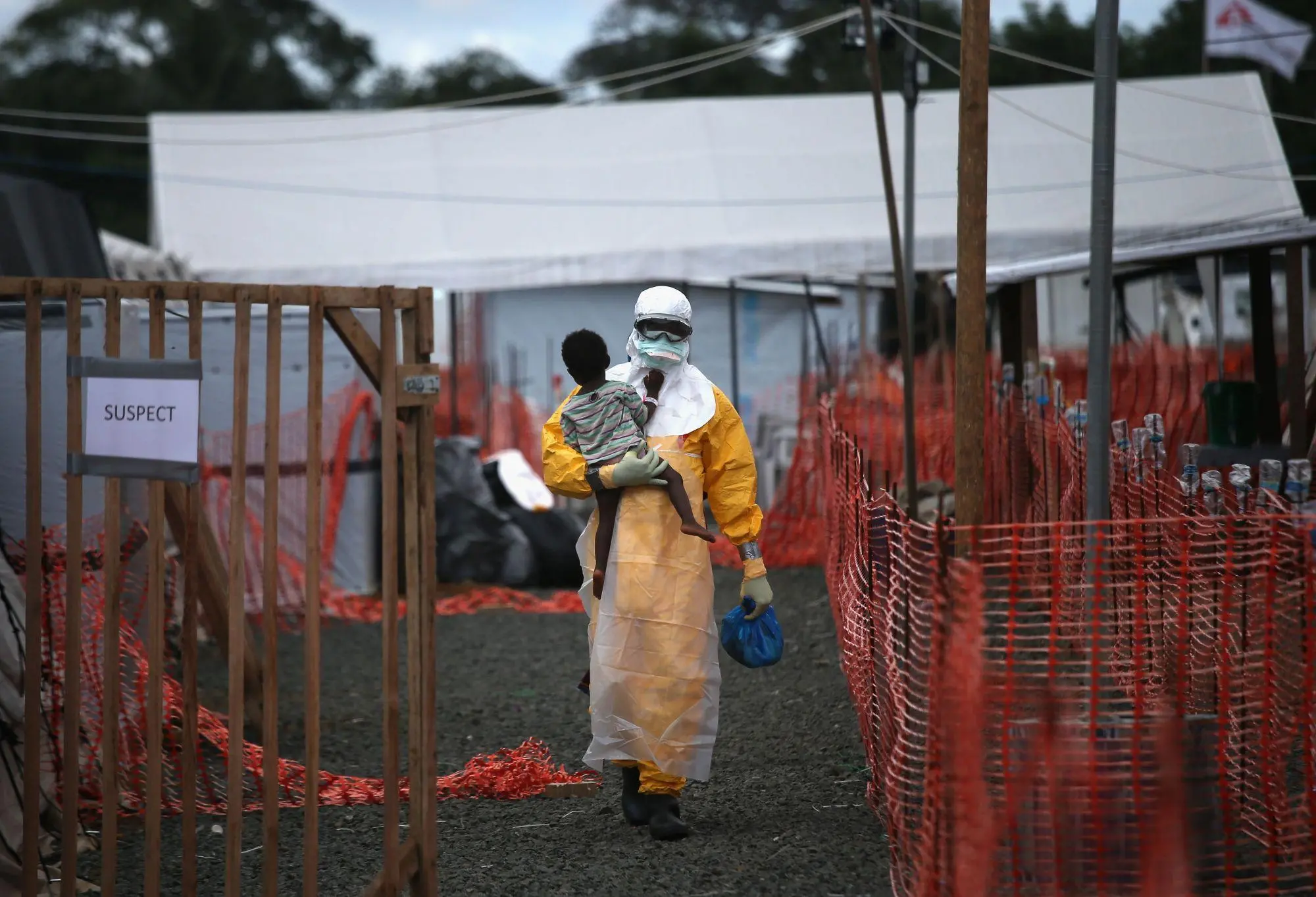
Image removed.

How is MSF responding to the 2026 Ebola outbreak?

MSF teams are working around the clock to prepare a large-scale response in DRC, in collaboration with the Congolese health authorities, WHO, and partners.

Our teams are setting up two Ebola treatment centres; one in Goma and one in Mongbwalu. Additionally, we are setting up an isolation ward in Kyeshero hospital in Goma.  

In Kyeshero hospital, which our teams already support with paediatric services, MSF is training hospital medical staff on Ebola case management.

Several tons of equipment and supplies are on their way to DRC, including personal protective equipment (PPE), medical equipment, medicines, generators, solar panels, disinfectants, and hygiene equipment.

We are mobilising medical and logistics staff who are experienced in treating viral haemorrhagic fevers, including dozens of internationally mobile staff, to support our Congolese colleagues.

The rest of our response activities are still being defined. However, a typical Ebola response comprises six main pillars: 

  • care and isolation of patients; 
  • tracing and follow up of patient contacts; 
  • raising community awareness of the disease, such as how to prevent it and where to seek care; 
  • conducting safe burials; 
  • proactively detecting new cases; and 
  • supporting existing health structures. 

Importantly, protecting staff and patients through safeguarding, duty of care, and Ebola prevention measures, while ensuring continued access to essential healthcare services, are among our priorities. Community engagement is also a key aspect of the response.

MSF has also informed the Ugandan Ministry of Health that we are ready to support their response, if needed.


Is the 2026 Ebola outbreak different from previous Ebola disease outbreaks?

DRC has faced 16 outbreaks of Ebola disease since it was first identified in 1976 – this outbreak is the 17th. Nearly all of the previous outbreaks have been of the Ebola (Zaire) virus.

However, the 2026 Ebola outbreak is caused by the Bundibugyo virus. Dealing with this outbreak will be difficult, given there is a short supply of testing kits for diagnosis and there are no approved treatments or vaccines for Bundibugyo virus. It is already suspected that cases are underreported.

People in the areas affected in DRC are also living through extreme levels of conflict and displacement. It may be complicated to identify, follow up, and isolate cases as people are on the move and the health system is under resourced.

 
 A nurse from the Lotumbe General Reference Hospital in PPE
Ebola

End of the 11th Ebola outbreak in DRC: an improved medical response

Press Release 18 Nov 2020
 
Epidemiologist Gaston trains and helps staff in Mbandaka
Access to Healthcare

Ebola: New strategies at work

Project Update 5 Nov 2020
 
Access to Healthcare

DRC: Responding to the new Ebola outbreak in Équateur province

Crisis Update 4 Sep 2020
 
Families register for the measles vaccination campaign in  Botulu, Boso Manzi health zone
Access to Healthcare

Democratic Republic of Congo: “COVID-19 must not jeopardise the fight against major killer diseases like measles”

Article 6 May 2020
 
COVID-19 Coronavirus

Coronavirus in West Africa: Focus on the most vulnerable and learning from the past

Article 27 Mar 2020
 
Awareness-raising and information activities on Ebola in DRC (© Alexis Huguet)
Access to Healthcare

Ebola: Reflections after the fire

Article 10 Mar 2020