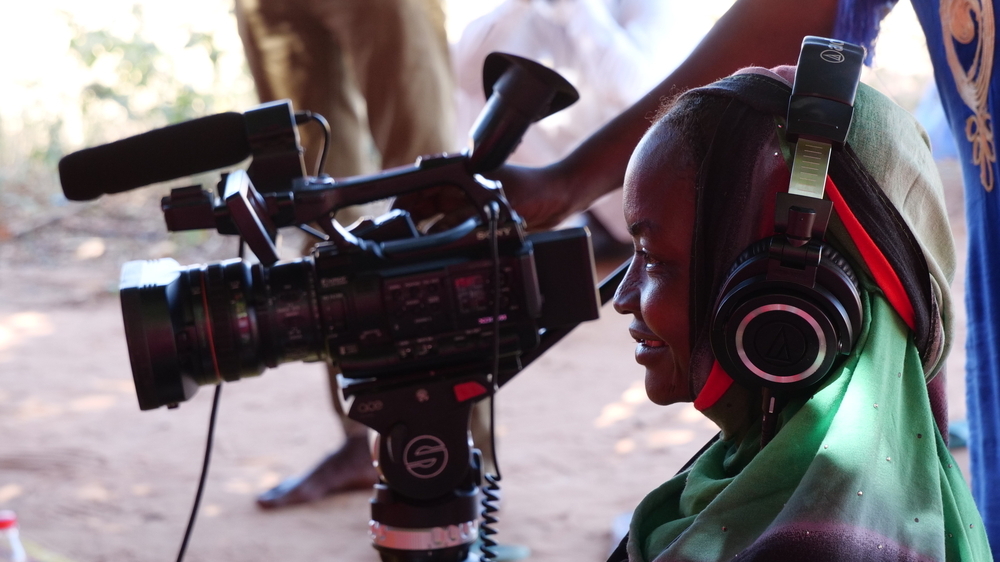
Zakaria Mwatia in a media interview

MSF Eastern Africa Media Fellowship 2026

  • Program: MSF Eastern Africa Media Fellowship 2026
  • Launch Year: 2024
  • Application Status: Call for applications now open
  • Application Deadline: 2nd September 2026
  • Target Group: Journalists based and publishing in Eastern Africa
  • Coverage Areas: Kenya, Ethiopia, South Sudan, Tanzania
  • Support Provided: Training workshops, reporting grants, access to MSF projects & experts
  • Eligibility: Minimum 3 years’ experience, reference letter, three published stories, affiliation with a media organisation or accreditation with their relevant regulator, commitment to travel and publish within fellowship timelines
msf.or.ke

The MSF Eastern Africa Media Fellowship Program aims to support and empower journalists to tell compelling and impactful stories about pressing humanitarian issues that MSF is responding to in  Eastern Africa. Launched in 2024, the fellowship supports journalists with skills, resources and access to MSF projects that will enable them to produce high-quality, nuanced narratives that shine a light on critical health issues and humanitarian challenges across Eastern Africa.

The Fellowship is an initiative designed to empower and collaborate with journalists committed to covering critical humanitarian and health issues across the region. By providing fellows with financial support, specialised training, and unique access to MSF's field operations and medical expertise, the program aims to deepen the quality and impact of reporting on underreported crises, from conflict and displacement to infectious disease outbreaks and malnutrition. This fellowship serves as a vital bridge between the humanitarian world and the media, fostering a network of informed journalists who can bring much-needed visibility to emergencies.

check out our past fellowship

Meet our 2025 fellows

Image removed.

Aveline Kitomary

Aveline is a health, climate change, and gender reporter at Tanzania Standard Newspaper. She also contributes to Daily News Tanzania, covering stories at the intersection of public health, environmental issues, and gender.

Image removed.

Addis Ayele

Ayele Addis Ambelu is an award-winning journalist, investigative reporter, and digital rights advocate with over five years of experience in public interest journalism. He works with Africa News Channel and Ethiopian Mass Media Action (EMMA NEWS), producing in-depth stories on digital governance, human rights, technology, and environmental justice.

Ayele's reporting focuses on the impact of digital public infrastructure such as digital ID systems, open data, and internet access on marginalized communities in Ethiopia and across Africa. He holds a master's in media and communication and has published over 100 investigative pieces spanning radio, online, and academic platforms.

As a media literacy trainer and program editor, Ayele also mentors emerging journalists on factchecking, digital safety, and AI in the newsroom. His work has been recognised by the Nile Media Awards, the Festove Investigative Media Award in Switzerland, the African Continental Re media award in South Africa, and WHO Africa. He is passionate about using journalism to expose inequality and drive inclusive digital transformation.

Image removed.

Claret Adhiambo

Claret Adhiambo brings over a decade of hands-on newsroom experience to Nairobi's dynamic media landscape. She currently balances her time between shaping print and web content as a Sub Editor at The Star.

Throughout her career, Claret has embraced every side of modern journalism. At GhettoRadio, she led the newsroom with a collaborative approach, vetting breaking stories, mentoring a talented team of writers, and staying hands on with multimedia production. Her deep roots in the Kenyan media landscape began with foundational reporting roles at the Kenya News Agency and Radio Africa Group, where she learnt the value of building trust with local sources and grew a sharp instinct for what captures a digital audience's attention.

A versatile storyteller with a genuine understanding of regional current affairs, Claret remains deeply dedicated to editorial excellence, always ensuring that the news she delivers across radio, print, and web is accurate, timely, and impactful.

Image removed.

Margaret Kimathi

Margaret Kimathi is an experienced broadcast journalist and multimedia producer at NTV Kenya (Nation Media Group). Since joining the network in 2021, she has focused on delivering compelling, human centered stories with a deep specialization in public health, agriculture, and environmental developments across East Africa.

Balancing her sharp journalism instincts with comprehensive skills in audio visual production, event videography, and postproduction editing, Margaret handles every dimension of modern news gathering and visual storytelling to keep audiences informed and engaged.

Image removed.

Mercy Kahenda

Mercy Kahenda is a health writer at Standard Group, covering public health, healthcare administration, and consumer health, with a focus on wellness programs, mental health, and the intersection of health with climate change.

She reports extensively on local healthcare and government updates in Kenya, including HIV/AIDS, neonatal deaths, and mental health. Mercy's work relies on data and official announcements, making her receptive to pitches featuring new insights, exclusive data, or interviews with experts shaping Kenya's health landscape.

How does it work?

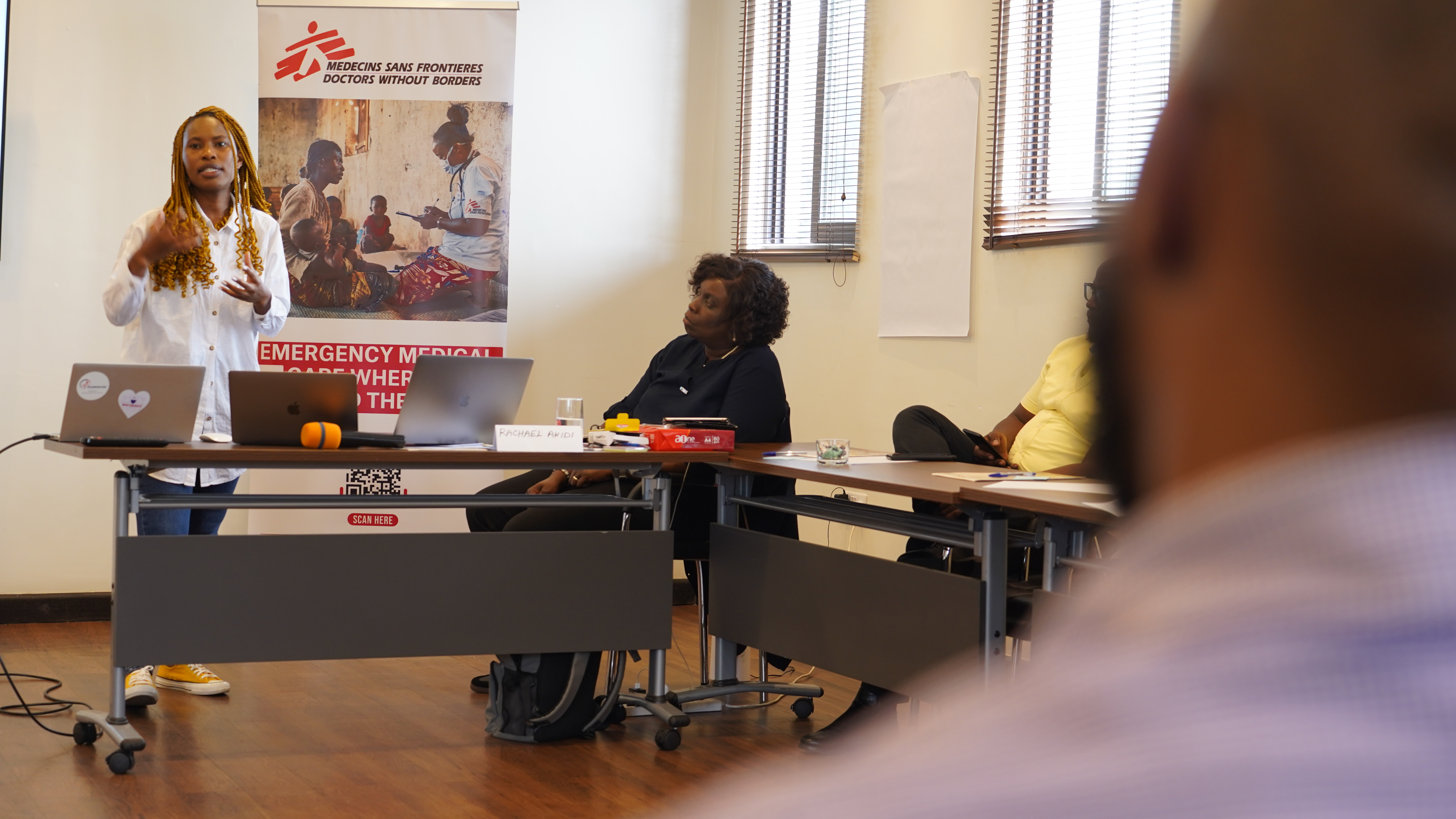
  • Successful applicants will be invited to a full-day workshop facilitated by a respected media professional.

  • After the workshop, participants will submit story pitches based on their interests.

  • Journalists with selected pitches will receive support to report on humanitarian stories from the region.

Why Apply for the Fellowship?

The MSF Media Fellowship provides journalists in East Africa with a chance to get a first-hand glimpse into various humanitarian and health interventions in the region. Fellows will receive:

  • Training from media and communication professionals on covering humanitarian stories

  • A reporting grant to cover the costs for the project visits

  • Access to relevant experts and to MSF projects to support their coverage of the story

Call for Applications for 2026 now open

.

General eligilibity criteria

  • The fellowship is open to journalists based and publishing in the region (refer to specific country).

  • All applicants must have a minimum of 3 years of work experience and provide a reference letter from the relevant editor.

  • All applicants must send a letter demonstrating an interest in any of the thematic tracks, with links to three recently published stories. For applicants reporting outside their home country (South Sudan), you need to show how the story is relevant to your audience.

  • Applicants must be affiliated to a media organisation or, if working as a freelance, must be accredited by their relevant regulator with proof of accreditation/affiliation.

  • Applicants must commit to travel for content collection and to publish within the fellowship timelines provided.

KENYA

Accredited journalists from any Eastern Africa country are eligible to apply.

  • Dagahaley Refugee Camp (Dadaab): MSF’s healthcare response for refugees and host communities, including innovations in diabetes care (insulin pens, cold chain management, CGM), maternal and child health services, community health networks, Mama Taxi referrals, and malnutrition screening through Family MUAC.
  • Nairobi Eastlands: For 18 years, MSF has provided medical care to survivors of sexual and gender-based violence in Nairobi's Eastlands. In 2025 alone, MSF treated 3,155 survivors of sexual violence, with a new survivor seeking care on average every two hours. Women and girls were disproportionately affected: 92% of survivors were female, and 60% were children under 18.
  • Homa Bay: Kenya is experiencing an epidemiological transition in disease burden with a rapidly increasing burden of noncommunicable diseases (NCDs) which account for up to 39 in every 100 deaths in the country. Since 2021, MSF has been providing NCDs care in Homa Bay through lower-level health facilities located closer to where patients live.

ETHIOPIA


Applicants MUST be Ethiopian nationals or based in Ethiopia to qualify under this category

  • Gambella Refugee Services: MSF’s healthcare response in Kule Refugee Camp, home to around 55,000 South Sudanese refugees. Coverage opportunities include primary and secondary healthcare services, community health promotion, vaccination, malaria treatment, sexual and gender-based violence care, maternal health, malnutrition treatment, emergency and inpatient services, surgical referrals, and support to the Gambella Regional Blood Bank.

SOUTH SUDAN


Applicants MUST be accredited journalists in any of the Eastern Africa countries to qualify under this category.

  • Maternal Health: The state of maternal health in South Sudan remains a significant public health concern, characterized by high maternal mortality and morbidity rates, with an estimated 1,000 maternal deaths per 100,000 live births. Key contributing factors include limited access to healthcare services, weak health infrastructure, the impact of conflict and instability, and cultural and socioeconomic barriers.

  • Malnutrition: South Sudan faces a severe, worsening malnutrition and food insecurity crisis, with conditions deteriorating since late 2024. From April to July 2026, around 7.8m people—55% of the analyzed population—are projected to face acute food insecurity (Integrated Phase Classifications (IPC) 3), including 73,000 in IPC Phase 5, mainly in Jonglei and Upper Nile.

  • HIV Response: The state of HIV response in South Sudan has faced significant challenges due to ongoing conflict, limited healthcare infrastructure, and economic instability. Despite these obstacles, efforts by government agencies, international organizations have been underway to improve HIV prevention, testing, treatment, and care services. Access to antiretroviral therapy (ART) remains limited in some regions, and stigma and discrimination continue to hinder effective response.

  • Mental Health: South Sudan’s mental health situation is severely affected by ongoing conflict, political instability, economic hardship, and weak healthcare infrastructure. These pressures contribute to high rates of depression, anxiety, and other trauma-related conditions, especially among people exposed to violence, displacement, and loss. Services remain limited, with few trained professionals and facilities. Stigma and cultural barriers prevent many from seeking care, while humanitarian organizations provide essential support despite nationwide resource scarcity.

  • Health and Climate Change: South Sudan’s health and climate challenges are deeply interconnected, shaped by conflict, economic hardship, and environmental stress. Limited health infrastructure, shortages of staff and medicines, high rates of malaria, cholera, tuberculosis, and maternal and child mortality strain the system. Conflict and displacement further disrupt care. Climate change brings floods, droughts, irregular rainfall, food insecurity, and environmental degradation, requiring integrated action to strengthen healthcare, resilience, and adaptation across vulnerable communities nationwide. Recent analysis by the United Nations World Food Programme (WFP) shows that the strengthening El Niño weather pattern is set to significantly worsen food insecurity in some of the world's most vulnerable countries—including South Sudan into 2027.

TANZANIA


  • Applicants MUST be Tanzanian nationals or based in Tanzania to qualify under this category

Liwale

  • Behaviour change and maternal health: Exploring how health promotion initiatives are driving behavioural change among pastoralist communities, improving awareness, uptake, and adherence to antenatal care (ANC) services, and contributing to better maternal and newborn health outcomes.

  • Innovative access to sexual and reproductive health (SRH) services: Examining how innovative, community-based approaches are expanding access to SRH services for remote and mobile pastoralist populations, helping to overcome geographic, cultural, and logistical barriers to care.

  • Co-management for stronger health outcomes: Highlighting the collaboration between MSF and the Ministry of Health (MoH), and how joint planning, service delivery, and capacity strengthening are improving healthcare access, quality, and medical outcomes for pastoralist communities.

surveymonkey.com

The MSF Eastern Africa Media Fellowship seeks to respond to this changing landscape by supporting journalists to produce impactful reporting that informs public discourse, strengthens evidence-based journalism, and amplifies underreported humanitarian stories from the region.

APPLY NOW
MSF Media visit to Baidoa refugee camp