South Sudan
In 2025, our teams provided medical services in two administrative areas and six of the country’s 10 states. In addition to regular projects, MSF opened 12 emergency projects in response to violence, cholera, malaria peaks, flooding and displacement.
540,300
540,3
202,856
202,856
66,873
66,873
12,503
12,503
107,688
107,688
20,058
20,058
19,504
19,504
12,191
12,191
12,317
12,317
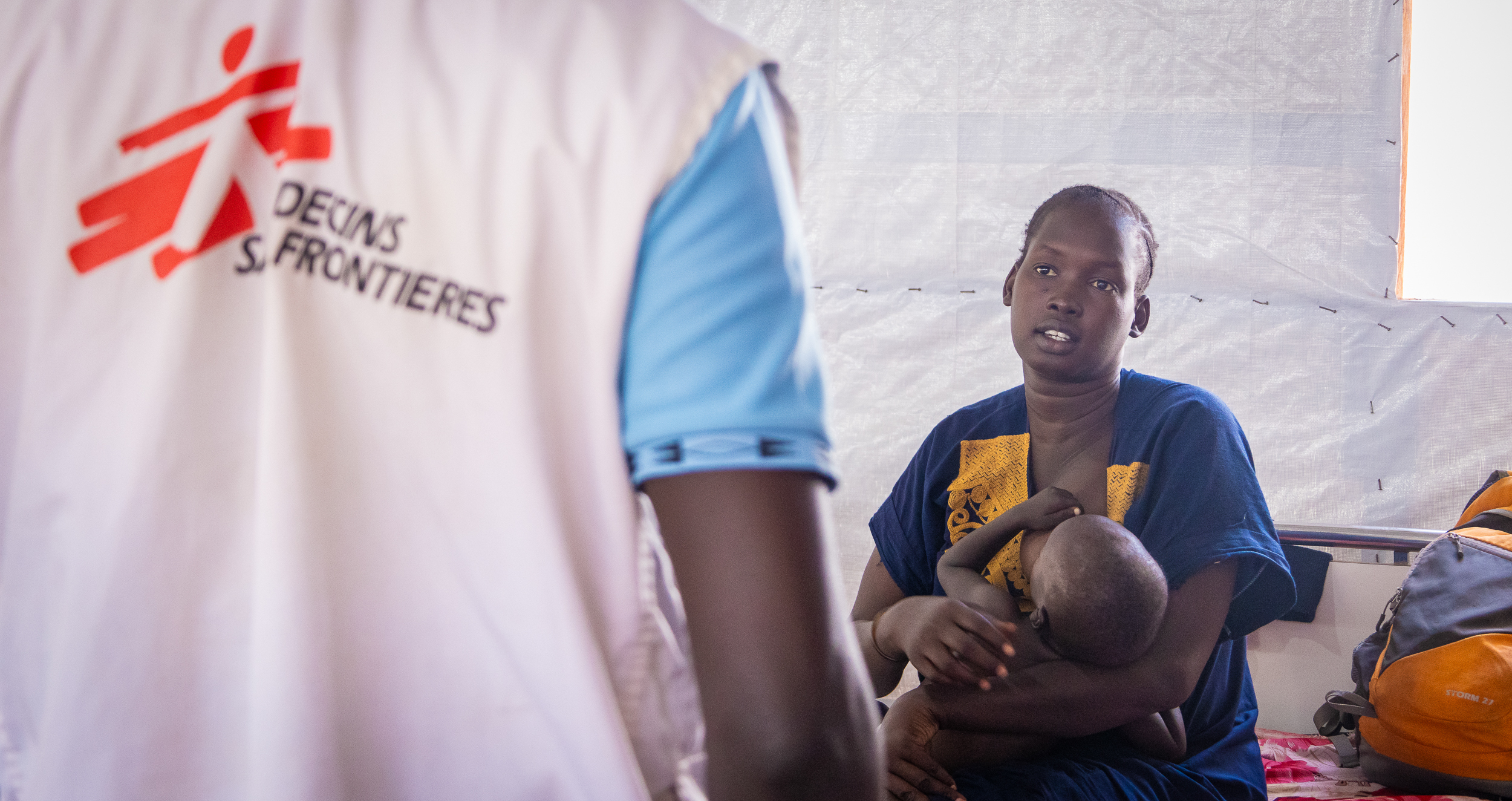
MSF has been providing essential services including basic healthcare, mental healthcare and specialised medical care to people in the region that is now South Sudan for more than 40 years. Our mobile teams also provide health assistance to displaced people and remote communities. In addition to responding to emergencies and disease outbreaks, we also carry out preventive activities, such as vaccination campaigns and seasonal malaria chemoprevention, as well as distributing safe drinking water and essential relief items. In 2025, our teams treated over 500,000 people in outpatient consultations and over 90,000 patients who needed hospital care.
Responding to infectious disease outbreaks
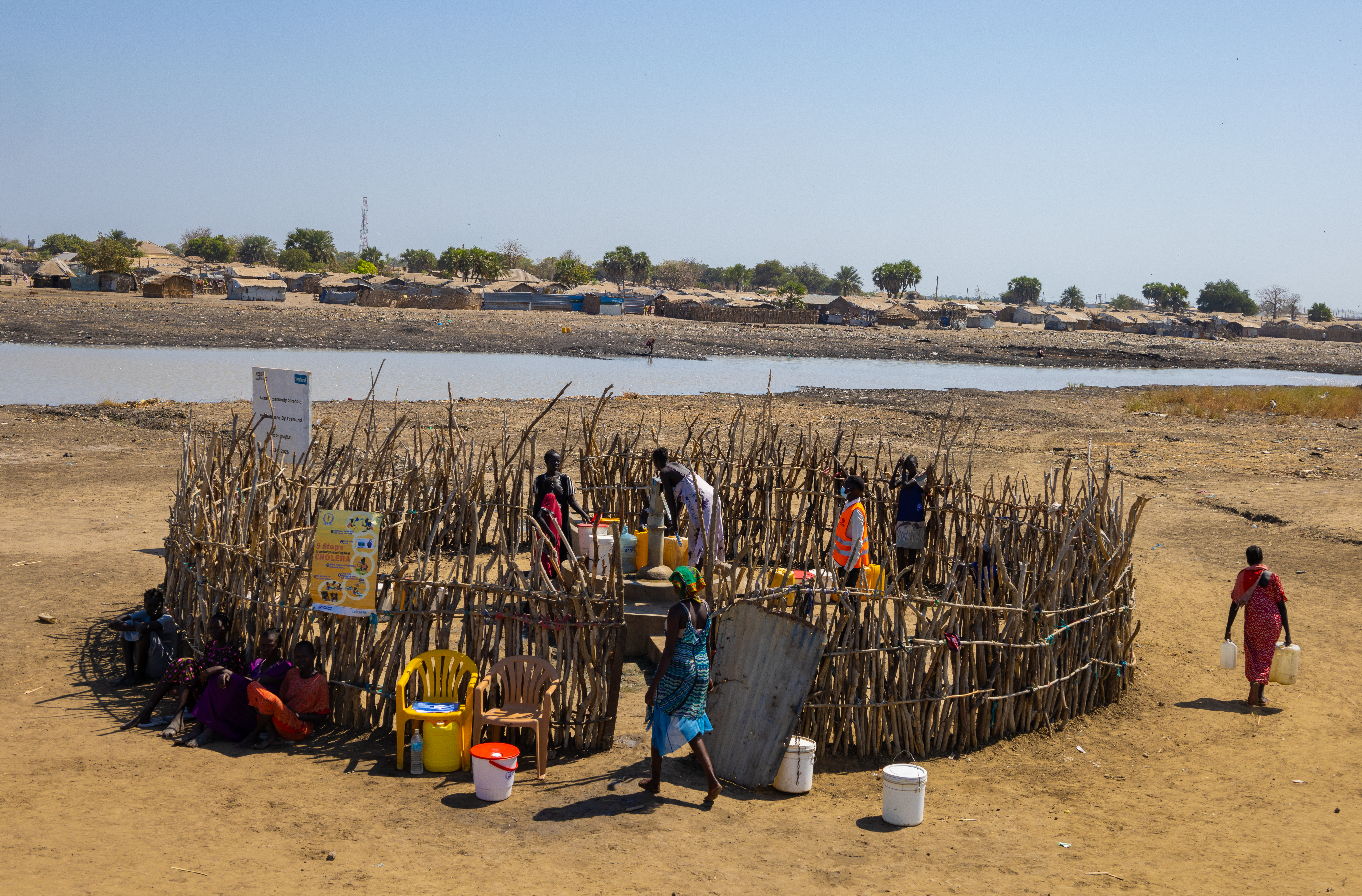
Between October 2024 and October 2025, MSF responded to cholera in all of its projects, and opened additional emergency interventions, including in Juba, treating over 35,000 patients across nine states – over one-third of all cases reported nationally. A specialised cholera treatment unit was opened at Renk county hospital, treating 500 patients by August, while 1,414 cases were treated in Abyei in 2025. In Pibor, we treated 1,167 patients for cholera. The rapid spread of infectious diseases was driven by population movement – including displacement due to violence – as well as limited surge capacity and chronically under-resourced WASH services.
By November 2024, cholera had reached Malakal, in Upper Nile state, a major transit point for new arrivals from Sudan. MSF teams ran two treatment centres in Malakal county, treating over 600 patients between November 2024 and February 2025. In Bentiu, MSF set up a number of oral rehydration sites and operated 250 cholera beds across its specialised treatment centre in the IDP camp and the Ministry of Health’s Bentiu state hospital until August. This period saw almost 7,000 cases, with 3,240 patients hospitalised.
South Sudan’s WASH sector is chronically underinvested, with recent funding cuts exacerbating the situation. In Bentiu IDP camp and informal displacement sites around Bentiu town, which host thousands of people, the combination of devastating floods in 2021, the influx of refugees from Sudan since 2023, and reduced funding for essential WASH services have contributed to a worsening situation. Fangak county, affected by severe flooding in 2024 and 2025, lacked latrines and clean water; people were forced to drink contaminated floodwater shared with animals.
By the end of June 2025, MSF’s cholera response was ongoing in several key locations including Bentiu, Lankien, Pieri and Abyei. Collaborative efforts to improve access to clean water and WASH facilities are vital to reduce the spread of cholera and prevent outbreaks in the future. Additionally, strengthening healthcare infrastructure, enhancing disease surveillance and response systems, and providing timely access to cholera vaccines can significantly mitigate risks.
Responding to malaria
Malaria remains the leading cause of morbidity and mortality in South Sudan, accounting for 30–50 per cent of deaths, according to the World Health Organization (WHO), particularly among children under five and pregnant and lactating women. In 2024, there were 3.8 million cases across the country, with annual peaks during the rainy season. Diagnostics, treatment and prevention methods are frequently missing or inconsistently applied. MSF teams continued to treat hundreds of thousands of patients, providing care to more than 200,000 people in 2025, despite rising insecurity and people’s reduced access to health services.
The malaria response has again exposed persistent supply challenges. HSTP drugs for July-October 2025 were only ordered in September, causing nationwide stock-outs during peak malaria season. Facilities in Kajo-Keji, Yei, Morobo, Twic, Aweil and Abyei Special Administrative Area were left for months without supplies. While some priority areas received delayed ‘buffer stock’, others were left without.
Between January and September 2025, MSF treated over 116,100 uncomplicated malaria cases (those which can be treated in the community or in primary care facilities). Patients often travel long distances due to a lack of local facilities, medication or staff, and some primary care facilities refer patients to MSF because they lack
Attacks on healthcare: a rising threat to lives and medical services
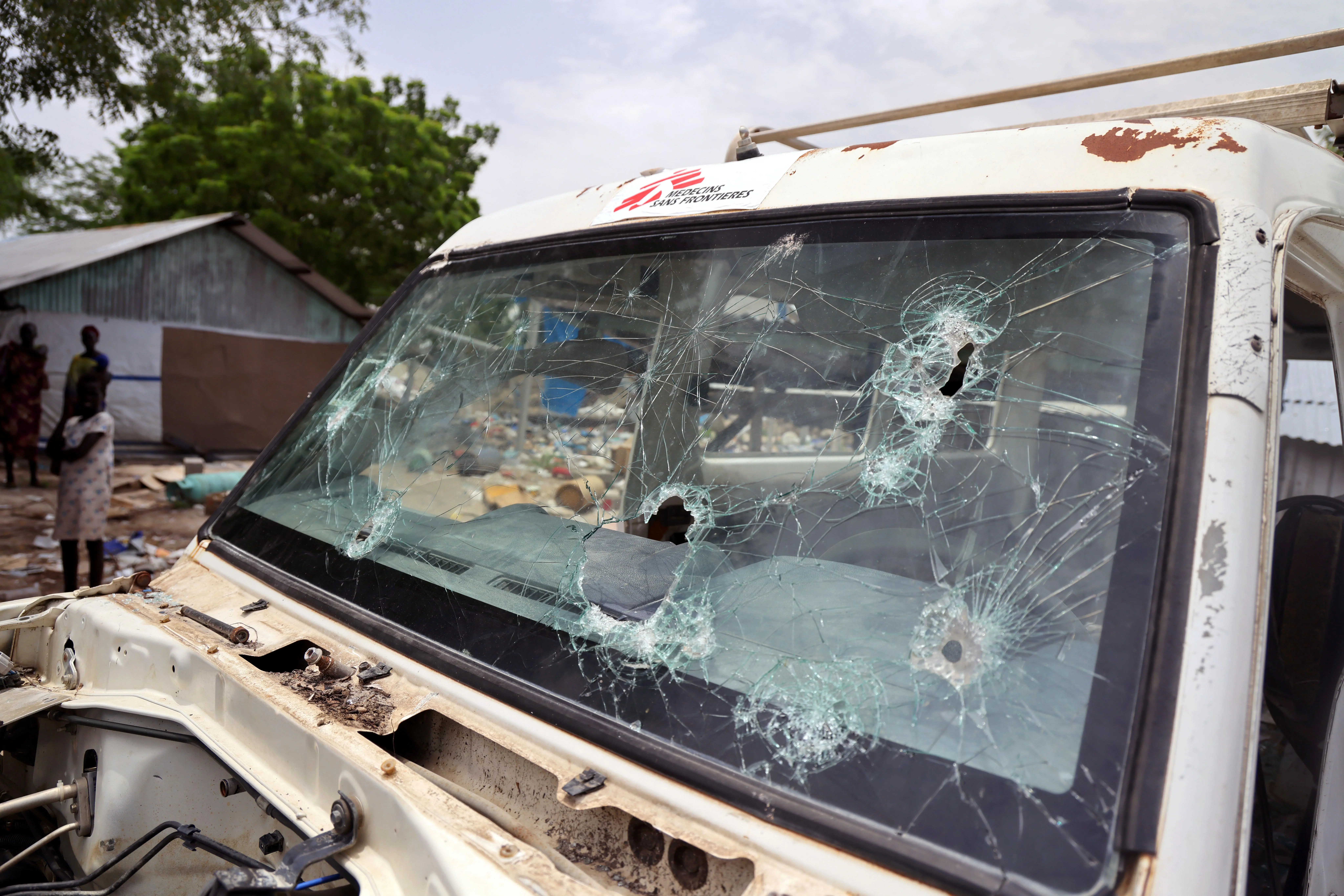
Attacks on health facilities have been noticeably increasing, with nine attacks on MSF staff and facilities taking place in 2025.
The closure of health activities due to attacks and insecurity has disastrous consequences for communities with already limited access to healthcare. The closure of Ulang hospital left 150,000 people without care. Old Fangak hospital was the only functional facility for over 110,000 people living in remote, flood-prone areas with limited access to medical care. The suspension of activities in Yei and Morobo left 150,000 people without access to essential services between August and November 2025. From November 2025, MSF resumed the provision of emergency and maternity support to the Yei civil hospital, but outreach activities – a lifeline for communities living in remote areas – did not resume.
In Ulang and Old Fangak, MSF teams lost access to over 1,000 patients with chronic diseases, including patients with HIV/AIDS and tuberculosis (TB). In Old Fangak, violence and flooding forced widespread displacement, and by October, 500 out of 638 HIV patients could no longer be accounted for, while others had died.
In Lankien on 29 December, airstrikes impacted an area close to the MSF healthcare facility, the local market and the airstrip routinely used by MSF aircraft for medical referrals and delivery of supplies. Following the bombing, MSF was forced to evacuate some of its staff; however, local staff in Lankien continued to provide medical care to those affected until the healthcare facility was closed following an attack in early 2026.